RCM Auto
RCM Auto
RCM Auto
Premium OEM and aftermarket products manufactured with strict global compliance and precision quality assurance processes.
In modern automotive engineering, the front grille is much more than an aesthetic focal point. It serves as the primary gateway for thermal management, engine cooling, and aerodynamic efficiency. With the rapid evolution of internal combustion engines (ICE) and electric vehicles (EVs), front grilles have transformed into high-technology platforms. They now host sophisticated Advanced Driver Assistance Systems (ADAS), millimeter-wave radar sensors, dynamic lighting components, and active air shutters.
For B2B buyers—ranging from Tier-1 automotive brands to global aftermarket distributors—sourcing components from premier China car grilles factories requires a deep understanding of manufacturing processes, material science, and strategic engineering. In this comprehensive guide, we analyze the core dynamics of automotive grille manufacturing, quality control paradigms, and supply chain strategies to ensure your procurement pipelines remain highly competitive and reliable.
For global procurement managers, the key benchmarking criteria for high-quality front grilles include:
Industrial Excellence & Uncompromising Safety Standards since 2003
Established in 2003, Ningbo RCM Auto Accessories Co., Ltd. has spent over 17 years specializing in the development, manufacturing, and distribution of high-performance automotive safety warnings, lighting equipment, and exterior styling accessories. Strategically located in Ningbo, a world-renowned automotive and lighting manufacturing hub, we utilize state-of-the-art production technologies to serve leading global clients, including industry giants like HELLA, Ruralking, Z-Flash, and Sinotruk.
Our expansive production facility covers 33,000 square meters and features 20 automated production lines. Our specialized workforce enables us to manufacture up to 800,000 components per month. This allows us to handle large-scale, high-volume orders with short lead times. We support full custom ODM/OEM designs, generating physical prototypes in less than a week, and executing brand-new engineering designs in 20 to 25 days.
At Ningbo RCM, our quality control process has helped us achieve an industry-leading milestone: a continuous 7-year zero repair rate, zero return rate, and zero customer complaint rate.
We deploy a professional, dedicated Quality Control team of 15 specialists who carry out a strict 4-point inspection procedure:
Why China remains the global epicentre for high-precision automotive plastic components and styling assemblies.
China's tooling ecosystems are highly integrated. Factories utilize advanced computer-aided engineering (CAE) and mold flow analysis to design multi-cavity injection molds. This guarantees wall-thickness uniformity, minimizes weld lines, and prevents warpage in large-scale car grille components.
Proximity to chemical manufacturing zones guarantees steady access to prime engineering plastics like ABS (Acrylonitrile Butadiene Styrene), polycarbonate alloys, and ASA (Acrylonitrile Styrene Acrylate). This keeps raw material costs stable and protects production lines from global supply shocks.
Modern Chinese factories operate highly automated electroplating and spray-painting facilities. From premium chrome accents to piano black finishes, they deliver surface treatments that meet strict international environmental standards, including RoHS and REACH regulations.
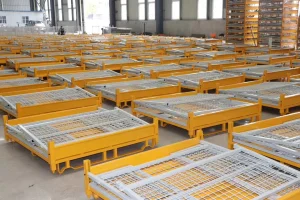
Visual verification of our large-scale advanced warning assembly and automotive accessory production floor.

Entering international automotive markets requires strict adherence to localized safety, environmental, and engineering standards. A professional China car grilles manufacturer must design and test components to meet the requirements of your target region.
North America (DOT/SAE & FMVSS): Front grilles must not interfere with crash safety metrics. If equipped with integrated lighting, the light output and lenses must comply with FMVSS 108 standards. Material choices must also meet SAE specifications for impact resistance and fire retardancy.
Europe (ECE Regulations & CE Marking): Exterior parts must meet ECE R26 regulations for external projections. This ensures that the grilles have rounded edges and lack sharp, protruding features that could injure pedestrians in a collision. Additionally, compliance with REACH and RoHS ensures that the plastics and plating chemicals used contain no hazardous substances.
We work closely with global laboratories such as SGS, TÜV, and Intertek. This allows us to provide full compliance reporting for every product batch we manufacture.
| Compliance Domain | Standard Reference | Testing Objective |
|---|---|---|
| Material Quality | ISO 16232 / VDA 19 | Technical Cleanliness in Automotive Plastics |
| Safety & Projections | ECE R26 / FMVSS 581 | Pedestrian Impact Safety & Edge Curvatures |
| Weathering Resistance | ASTM G154 / ISO 4892 | Accelerated UV Exposure & Color Retention |
| Environmental Safety | REACH (EC 1907/2006) | Zero Restricted Chemical Components in Chrome/ASA |
As electric vehicles and autonomous driving systems gain ground, front grilles are transforming from traditional air vents into smart, interactive surfaces.
To reduce aerodynamic drag and improve fuel economy or EV range, automakers increasingly utilize Active Grille Shutters. These electronically controlled shutters open automatically when engine cooling is needed and close at highway speeds to optimize aerodynamics.
Modern grilles must serve as radar-transparent covers, often referred to as radomes. These components must allow lidar, radar, and cameras to function perfectly while keeping the sensors protected from dust, rain, and debris.
For electric vehicles, front grilles are often replaced by solid plastic panels featuring integrated light bars, illuminated brand logos, and dynamic signal patterns. These setups require high-precision double-shot injection molding and advanced optical engineering.
Configured systems designed for diverse vehicular environments, climates, and end-user demands.
Precision-molded grilles that match factory geometries. Designed for rapid installation during collision repair and commercial fleet maintenance. Built to replicate original equipment styling and function exactly.
Tough grilles manufactured from high-impact ABS. Equipped with steel mesh reinforcement, integrated LED utility bars, and rugged finishes. Ideal for extreme climates, rough terrain, and working trucks.
Closed, aerodynamic front facias with integrated radar housings, active airflow flaps, and dynamic ambient lighting channels. Built to minimize drag and extend EV driving range.
From custom conceptualization to large-scale global shipping within structured schedules.
Collaborative definition of components, material selection (ABS, ASA, PC/PET), and styling specs. We analyze CAD models and run mold-flow simulations to identify and resolve potential issues early.
Creating exact scale physical prototypes within 7 days using 3D printing and silicone tooling. This allows clients to test fits and verify clearances on actual vehicle mockups.
High-hardness steel mold manufacturing (H13, NAK80). Our automated tooling setup guarantees clean part lines, precise surface textures, and consistent dimensions across long production runs.
Operating 20 advanced injection lines with integrated assembly and surface finishing. Every production run undergoes our 4-point inspection plan, ensuring consistent quality and zero defects.
Direct, technical answers to key questions about sourcing automotive grilles and accessories from China.
Most OEM and high-end aftermarket car grilles are made from ABS (Acrylonitrile Butadiene Styrene) due to its excellent impact strength, ease of molding, and suitability for electroplating. For parts exposed to harsh sunlight and outdoor weather, we use ASA (Acrylonitrile Styrene Acrylate), which offers superior UV resistance and prevents fading over time. EV models and grilles with integrated electronics often utilize Polycarbonate (PC) or PC/ABS alloys for enhanced thermal resistance and radar transparency.
To ensure ADAS systems work reliably, the plastic cover over the radar (the radome) must be manufactured with precise, uniform wall thicknesses and free of metallic pigments. We run specialized RF (Radio Frequency) simulation tests and measure transmission loss during development. This ensures that the radar signals pass through the grille without distortion or signal loss.
For automotive component sourcing, the manufacturer must hold ISO 9001:2015 for quality management and, ideally, IATF 16949 certification, which is the global technical standard for the automotive industry. Additionally, look for compliance certifications such as E-Mark (ECE) for Europe, DOT/SAE for North America, and REACH/RoHS for environmental safety.
Developing new injection molds for complex components typically takes 20 to 25 days. Once the tooling is approved, mass production cycles require 15 to 20 days depending on order volume. We provide physical prototypes within 7 days for preliminary fitment and styling verification.
We pack grilles in custom-cut EPE foam inserts within rigid, double-wall corrugated shipping boxes. Every packaging design undergoes ASTM-standard drop tests to ensure the parts can withstand rough handling during ocean transit, air freight, and container handling.
Explore our wider range of vehicle body upgrades, electronics systems, and industrial garage tools.