RCM Auto
RCM Auto
RCM Auto
Explore our certified range of heavy-duty components, emergency warning kits, electrical integrations, and structural suspension accessories engineered for global vehicle platforms.

The modern automotive chassis demands an intricate balance of kinematic precision, mechanical durability, and ride comfort. As global vehicle manufacturers transition toward electric vehicle (EV) platforms and heavy-duty utility frameworks, the role of a vehicle's suspension system has evolved from simple shock absorption to a highly integrated dynamics control station. Leading suspension kits consisting of control arms, strut assemblies, stabilizers, and link rods act as the direct physical interface between the road surface and the passenger cabin.
For international sourcing managers and industrial vehicle builders, securing reliable Tier-1 suppliers in China is no longer merely a cost-reduction strategy. It is an engineering partnership focused on raw material integrity, dimensional accuracy, and fatigue endurance. High-performance suspension parts utilize advanced lightweight alloys and micro-cellular polyurethane bushings to reduce unsprung mass, thereby optimizing steering response and minimizing lateral body roll during high-speed maneuvering.
Maintains dynamic wheel camber and caster profiles across variable terrain, preventing premature tire wear and ensuring predictable handling under extreme payloads.
Optimized valve stacks within advanced shock absorbers convert kinetic energy into thermal energy, providing dampening control across low and high-frequency oscillations.
Forged steel and lightweight aluminum alloys designed to withstand repeated structural fatigue, high-impact shocks, and harsh chemical exposures.
The materials driving modern chassis architecture have shifted from traditional heavy carbon steels to highly engineered, alloyed materials designed to optimize structural strength while minimizing deadweight. In high-stress suspension nodes, metallurgy is critical. The engineering roadmap emphasizes two dominant pathways: forged aluminum alloys for premium passenger and EV applications, and high-strength low-alloy (HSLA) steels for commercial logistics, heavy utility, and military-grade machinery.
By employing 6061-T6 and 7075 series aluminum, manufacturers achieve up to a 35% reduction in unsprung mass compared to traditional cast-iron counterparts. This weight reduction directly translates to a lower moment of inertia for the wheels, allowing shock absorbers and coil springs to respond more rapidly to surface imperfections.

As global supply chains face geographic disruptions, China’s specialized automotive manufacturing corridors—particularly within regions like Ningbo, Zhejiang—provide unparalleled operational resilience. This dense ecosystem consolidates raw material smelting, tooling design, CNC precision machining, automated heat treatment, and quality assurance within a 50-kilometer radius. The result is minimized lead times, strict cost control, and rapid adaptation of customized client requests.
Representing this localized supply chain prowess, Ningbo RCM Auto Accessories Co., Ltd. has spent over 17 years refining automotive safety accessories, lighting, and heavy-duty chassis sub-assemblies. Operational highlights include:
Chassis dynamics must be calibrated according to regional environmental conditions and operational usage. A suspension configuration designed for urban expressways in Western Europe will fail prematurely under the demanding load factors of South American mining transport or the sub-zero salt-treated winter roads of Northern Canada. China's top suspension manufacturers leverage advanced computer simulations to configure custom valving and metallurgical compositions for localized scenarios:
For municipal school buses, transit vehicles, hazard trucks, and heavy-duty logistics fleets (such as Sinotruk platforms), suspension components are designed for high durability and payload capacity, prioritizing long-term serviceability and cargo safety.
Excavators, mining haulers, bulldozers, and cranes operate on highly uneven surfaces with high vibration. Heavy-duty suspension struts, safety warning systems, and lighting packages ensure continuous operation under intense physical stress.
Specially formulated coatings resist corrosion in salty coastal regions or sub-zero climates, while dust-resistant boots protect sensitive control rod assemblies in arid desert environments.
To establish true authority and reliability (E-E-A-T) within the global automotive sector, compliance with standard certifications is non-negotiable. Sourcing suspension systems from certified factories ensures alignment with international safety and performance criteria.
Every batch of suspension units undergoes destructive and non-destructive evaluations to verify metallurgical parameters and mechanical limits:
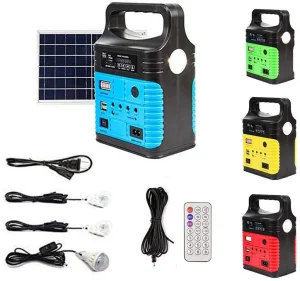
Alongside structural chassis elements, Ningbo RCM Auto Accessories Co., Ltd. provides specialized equipment for emergency vehicles, agricultural machinery, off-road applications, and outdoor fleets:
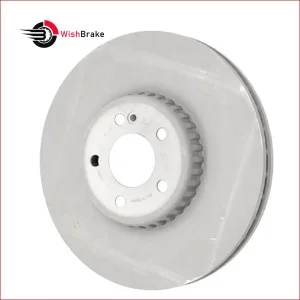
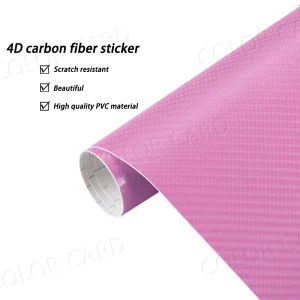
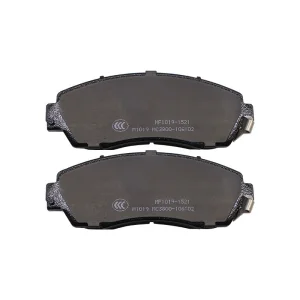
Examine our technical portfolio of interior/exterior upgrades, diagnostic accessories, structural brakes, and storage configurations designed for international commercial channels.


Frequently asked technical and commercial questions about automotive chassis systems, warning lighting, and factory operations in Ningbo, China.