RCM Auto
RCM Auto
RCM Auto
Explore our top-tier manufacturing pipeline, ranging from high-precision ThermoPlastic Elastomer (TPE) components and safety warning indicators to professional-grade auto detailing configurations.
The global automotive detailing industry has graduated from a localized, service-based sector to a multi-billion dollar manufacturing domain. B2B buyers—comprising global distributors, fleet management enterprises, OEM suppliers, and high-end automotive detailing franchises—now demand advanced engineering, chemical consistency, and strict compliance structures from their manufacturing partners.
When sourcing car detailing kits and automotive utility systems, enterprise procurement managers must evaluate vendors through the lens of E-E-A-T (Experience, Expertise, Authoritativeness, and Trustworthiness). A reliable exporter does not merely assemble microfibers and chemical solvents; they engineer integrated solutions that withstand demanding field conditions, conform to dynamic environmental mandates, and optimize cost-per-use metrics.
Founded in 2003, Ningbo RCM Auto Accessories Co., Ltd. has established an authoritative footprint in the design, engineering, and mass-scale production of warning indicators, vehicle safety lighting, and high-performance automotive utility accessories. With a core mission to "Make Vehicle Operation Safer!", Ningbo RCM has served as a key supplier to globally recognized automotive networks, including HELLA, RuralKing, Z-Flash, and Sinotruk.
Over a span of 17 years, the organization has scaled its production capabilities, generating an annual export turnover exceeding $25 million USD. The factory's infrastructure features 20 automated assembly lines, powered by a workforce trained in clean manufacturing and strict quality circles. These assets allow the factory to support complex ODM specifications with prototype turnarounds in under 7 days.
Our quality assurance protocol relies on a 15-person specialized QC department executing a rigid 4-point inspection matrix. This system tracks materials through four phases:
Verifying chemical, structural, and electrical specifications before production approval.
Real-time diagnostics and testing during assembly to check compliance consistency.
Simulating extreme field conditions (vibration, heat, waterproofing) for all products.
Result: Achieving a 7-year track record of zero field repairs, zero returns, and zero client complaints.
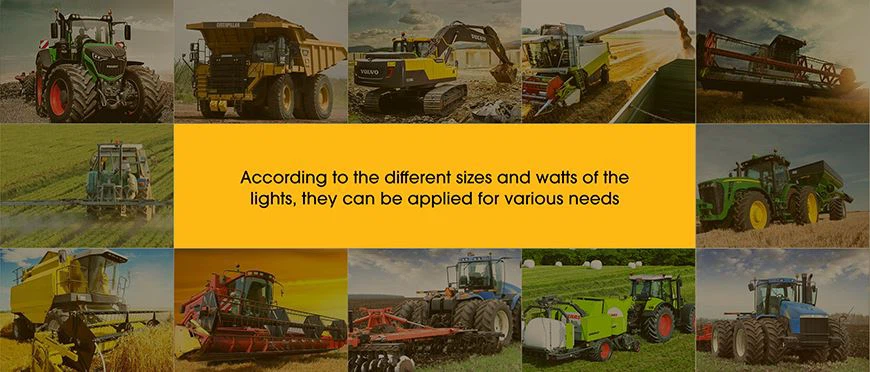
Depending on system size, electrical ratings, and material compositions, our product configurations cater to distinct professional sectors:
Optimized for law enforcement, emergency medical services, firefighting configurations, rescue trucks, transport systems, and municipal fleets. Products include heavy-duty LED beacons and alarm sirens.
Engineered for high-vibration off-road environments. Suitable for excavators, bulldozers, soil compactor rollers, heavy cranes, marine vessels, and heavy mining vehicles.
For cross-country transport, cargo management, and terminal machinery. Suitable for off-road 4WD setups, industrial forklifts, freight trains, agricultural machinery, and hazard transport.
Professional-grade automotive care relies heavily on material science. In B2B contexts, understanding raw polymer dynamics and fabric performance helps prevent paint damage, ensure long-term wear resistance, and control costs.
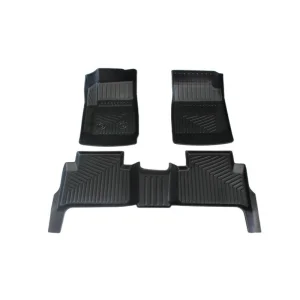
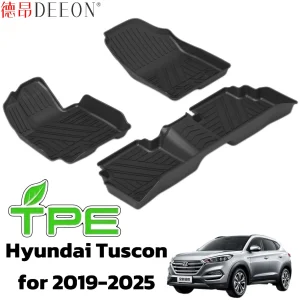
In high-traffic automotive applications, Thermoplastic Elastomers (TPE) have largely replaced traditional Polyvinyl Chloride (PVC) and rubber due to their superior environmental profile and physical stability.
| Property | ThermoPlastic Elastomer (TPE) | Polyvinyl Chloride (PVC) |
|---|---|---|
| Thermal Range | -40°C to 120°C (No cracking) | -10°C to 60°C (Stiffens/cracks) |
| VOC Off-Gassing | Virtually Zero (Eco-friendly) | High (Chlorine emission) |
| Elastic Recovery | Excellent (Retains 3D molded shape) | Poor (Subject to deformation) |
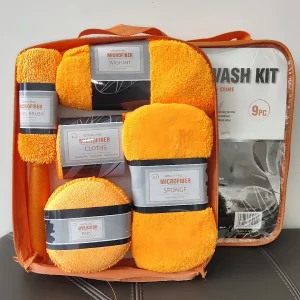
Professional auto detailing towels must possess specific fiber characteristics to avoid scratching soft clear coats while maximizing liquid absorption:
Sourcing automotive detailing packages and mechanical parts globally requires assessing supply chain reliability. The industrial clusters in Ningbo, Zhejiang Province, offer key advantages for global B2B buyers:
Ningbo's automotive clusters provide access to raw polymers, hardware stampings, LED modules, and packaging in close physical proximity. This reduces transit times and lowers sub-component transportation costs.
Direct proximity to the Port of Ningbo-Zhoushan—one of the world's busiest container hubs—minimizes land freight costs. This helps secure stable ocean shipping windows and simplifies international trade paperwork.
Our engineers use modern CAD/CAM modeling tools to create functional prototypes within 7 days. This helps B2B buyers quickly adapt to emerging automotive trends and changes in vehicle design.
As automotive technology shifts toward electrification and smart diagnostics, vehicle accessories and detailing standards are changing in parallel. Our forward engineering program focuses on several key areas:
Different markets have specific safety, electrical, and chemical regulations. Standardized products often face customs delays or import restrictions if they do not match local standards. We adapt our products to meet key market requirements:
To make customs clearance as smooth as possible for our B2B partners, we supply complete documentation, including:
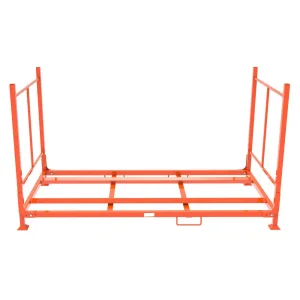
Explore our remaining selection of specialized B2B auto accessories, including custom vehicle components, heavy-duty storage racks, and lighting solutions.