RCM Auto
Every weekday, a commute tests more than punctuality. It tests comfort, safety, and preparation. What Are The Best Accessories For Daily Commuting becomes a practical question, not a shopping contest. The right choices should solve real problems: rain on a crowded platform, low phone battery, or sore shoulders after a long ride. A compact water bottle, reflective details, and a durable bag can matter more than fashionable extras. Small improvements add up. Yet personal routines differ. A cyclist needs different equipment from someone using buses and trains.
This guide examines useful accessories through daily experience and informed selection. It considers comfort, visibility, weather resistance, storage, and long-term value. Product claims deserve careful checking. Materials, warranty terms, and independent user feedback can reveal weaknesses that advertisements hide. For example, a supposedly waterproof pouch may protect against light rain but fail during a heavy downpour. That distinction matters. Safety recommendations should follow local transport rules and manufacturer guidance. No accessory replaces alert behavior, reasonable planning, or a properly maintained bicycle.
The ideal setup is rarely perfect. Mine once included a bag that looked smart but strained one shoulder. That mistake changed my priorities. A better commuting kit feels light, accessible, and dependable without becoming cluttered. The sections ahead compare essentials and optional upgrades, helping readers choose based on route, climate, budget, and personal needs. Some suggestions may seem obvious. They are still easy to overlook.
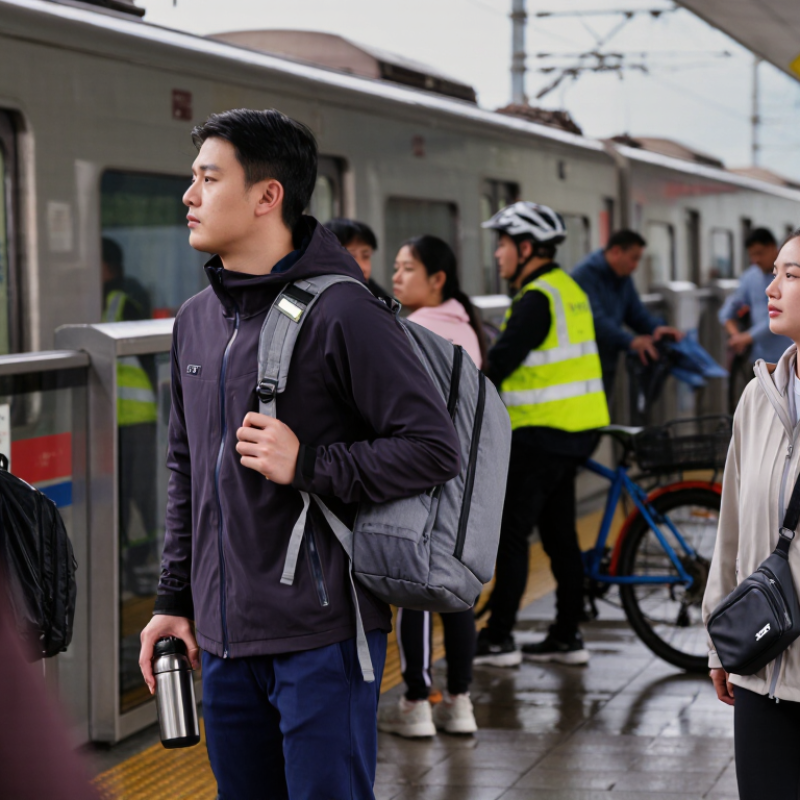
Daily commuting needs change with distance, weather, transport, and road conditions. A short walk requires different accessories than a crowded train ride or a bicycle trip. I usually carry a lightweight bag, a small water bottle, and a compact umbrella. These items solve common problems without adding much weight.
Visibility and comfort matter during early mornings or evening travel. A reflective strap can make a bag easier to notice near traffic. Comfortable earphones may help on public transport, but they should not block important announcements. For cycling, reliable lights, a helmet, and weather-resistant gloves are practical choices. Check local regulations before using any equipment on public roads.
Wet weather exposes weak planning quickly. A waterproof pouch protects phones, cards, and work documents. Breathable clothing helps during warm commutes, while thin layers work better when temperatures change. I once carried a large power bank every day, although I rarely needed it. It made my bag heavier. Keep it simple. I still overpack sometimes. A small repair kit, tissues, and hand sanitizer can be useful, but their value depends on the route. Test each accessory during a normal commute, not only at home. A bag that feels comfortable for ten minutes may become painful after an hour.
A comfortable daily commute starts with a bag that fits your routine, not just your laptop. I have found that a medium-sized bag works best for crowded trains and short walks. It should hold a laptop, water bottle, charger, keys, and a light jacket without becoming bulky. Padded compartments protect devices, while wide straps reduce pressure on one shoulder. A water-resistant outer layer also helps during sudden rain.
Organization matters as much as capacity. Small zippered pockets keep transit cards, earbuds, and hand cream easy to reach. A separate cable pouch prevents chargers from forming a frustrating knot. I prefer a bright lining because dark interiors hide small items. That choice seems minor. It saves time every morning.
Weight balance deserves attention. Heavy items should sit close to your back, while softer objects can fill empty spaces. A slim organizer can move between work bags, which is useful when plans change. Still, I sometimes pack too many “just in case” items and regret it halfway home. Removing one unused notebook made my commute noticeably lighter. Before buying another accessory, check whether it solves a real problem or simply adds more storage.
Approximate weight of common essentials in a well-organized daily carry
Lightweight bags, compact organizers, and carefully selected essentials can reduce daily carry weight. The figures shown are representative approximate weights for commonly used commuting items and may vary by size and material.
Daily commuting demands more than comfort. In crowded streets, visibility can prevent dangerous misunderstandings between drivers, cyclists, and pedestrians. A reflective vest, jacket panels, or ankle bands can catch headlights during early morning travel. Reflective details work best when they move. Ankle bands are especially noticeable as a cyclist pedals or a pedestrian walks.
Front and rear lights improve recognition in dim conditions, even on familiar roads. Choose steady or flashing settings according to local traffic rules. Keep light lenses clean and check batteries before leaving home. A bright helmet cover or reflective backpack panel can add visibility without making movement difficult. On rainy days, use waterproof covers that do not hide reflective areas.
Small choices matter.
I have found that commuters often focus on brightness and forget positioning. A light pointed toward the ground may not help approaching traffic. A loose strap can also slip into a wheel or catch on a door. Fit every accessory while wearing your usual coat and bag. Visibility does not replace careful road behavior, and no accessory guarantees safety. I still sometimes leave home with a low battery, which is a useful reminder to inspect equipment regularly. Local lighting, weather, and traffic patterns should guide each commuter’s setup.
A reliable phone mount keeps directions visible without constant handling. Choose one with a firm grip and an adjustable viewing angle. A compact power bank helps when delays drain your battery. I carry mine in a small waterproof pouch, not loose in my bag. A second charging cable is useful. Cables fail at inconvenient times.
Rain changes everything. A lightweight waterproof shell protects clothing while allowing heat to escape during faster walks. Packable rain trousers can prevent soaked knees on bicycles or scooters. Look for sealed seams, secure cuffs, and a hood that does not block side vision. A water-resistant backpack cover protects documents and electronics. It should fit tightly, because wind can turn a loose cover into a sail.
Visibility matters during dark mornings and wet evenings. Reflective strips on a bag or jacket make movement easier for drivers to notice. Warm gloves with touch-compatible fingertips are practical, but thick fabric can reduce phone control. That trade-off is easy to underestimate. I still forget to check the forecast before leaving, and one unexpected shower can expose weak gear quickly. Test every accessory on a short trip first. Check care instructions and weather-resistance limits, since “water-resistant” does not always mean fully waterproof. Keep it simple. A dry phone, clear vision, and comfortable layers usually matter more than extra gadgets.
Choosing daily commuting accessories starts with your route, weather, and carrying method. The U.S. Census Bureau’s 2022 American Community Survey reports an average one-way commute of 26.4 minutes. That duration rewards small, dependable tools instead of a crowded bag. For walking or transit, choose a ventilated backpack, compact umbrella, reflective layer, and power bank with certified cables. Cyclists need front and rear lights, a properly fitted helmet, tire levers, a pump, and a bright rain shell. NHTSA’s Traffic Safety Facts 2022 recorded 1,105 bicyclist fatalities in the United States.
Visibility is not decoration. It is risk control. I prefer accessories that work with gloves and wet hands, although I once bought a tiny pump that was nearly useless.
Using equipment correctly protects both comfort and reliability. Keep lights charged, cables dry, and batteries away from excessive heat. Inspect straps, zippers, helmet shells, and reflective panels each week. Wipe road dust from lights and dry rain gear fully before storage. Replace a helmet after a significant impact or visible damage. Do not trust clean padding over a cracked shell. Test your setup during a short practice trip, not during a rushed morning. I still overpack when rain is likely, so my checklist is intentionally strict: wallet, phone, keys, water, repair tool, and weather protection. The system is not perfect. It is easier to maintain because every item has a clear purpose.
Choose a lightweight bag, small water bottle, compact umbrella, and phone pouch. Keep it simple. Add tissues or hand sanitizer only when your route needs them.
Use reflective straps, ankle bands, bright panels, or reflective clothing. Moving details often catch headlights better. Check that your bag does not hide them.
Front and rear lights improve recognition near traffic and poorly lit roads. Keep lenses clean. Check batteries before leaving home. Follow local road rules for light settings.
A waterproof pouch can protect phones, cards, and work documents. Use rain covers that do not cover reflective sections. Dry wet clothing completely before storing it.
Cyclists may need a fitted helmet, front and rear lights, tire levers, and a pump. Weather-resistant gloves improve control on cold, wet mornings. A bright rain shell adds visibility.
Test each item during a real commute before making it permanent. A large power bank may add weight without helping. I still overpack before rainy days. That habit needs work.
Inspect straps, zippers, helmet shells, lights, and reflective panels weekly. Wipe road dust from lights. Replace a helmet after serious impact or visible damage. Clean padding cannot repair a cracked shell.
Choose a ventilated backpack and clothing suited to temperature changes. Thin layers work well when mornings are cool and afternoons warm. Fit accessories with your usual coat and bag. Ten minutes of comfort proves very little.
What Are The Best Accessories For Daily Commuting depends on your route, transportation method, weather, and personal routine. A comfortable, durable bag with organized compartments can keep essentials such as documents, water, clothing, and personal items easy to access without adding unnecessary weight. Small organizers, key holders, and compact pouches can further reduce clutter and make daily travel more convenient.
Safety and visibility accessories are also valuable for commuters traveling near traffic or in low-light conditions. Reflective details, suitable lighting, and practical protective equipment can improve awareness and confidence. Technology accessories, such as a reliable power bank, cable organizer, and device protection, help keep phones and other essentials ready throughout the day. Weather-resistant covers, compact umbrellas, and breathable layers provide extra comfort during changing conditions. By selecting useful items, using them correctly, and cleaning or inspecting them regularly, commuters can create a safer, more comfortable, and efficient everyday travel system.
