 RCM Auto
Choosing car accessories is not just about appearance. A seat cover that slips during braking, a phone mount that blocks the windshield, or a charger that overheats can turn a small purchase into a daily frustration. How To Choose High Quality Auto Accessories begins with matching each product to your vehicle, your routine, and the manufacturer’s specifications.
Fit matters. Check your vehicle’s year, make, model, and trim before ordering, then compare the listed dimensions with the space available. Look closely at materials, stitching, connectors, and mounting points. A sturdy finish often tells you more than a glossy product photo. For electronic accessories, review power requirements, heat management, and installation instructions. When details are unclear, ask the seller or a qualified installer instead of guessing.
Quality also includes dependable support. Read recent reviews for recurring problems, not just star ratings, and check the warranty and return terms. Give extra weight to feedback describing long-term use, such as fading after summer sun or a mount loosening on rough roads. A high price alone proves little. Neither does a popular brand. Even careful research can miss a fit issue, so keep the packaging until installation is complete. I might still overlook a detail. That is worth admitting. The best choice is the one that fits securely, works as intended, and makes everyday driving more comfortable without creating new distractions.
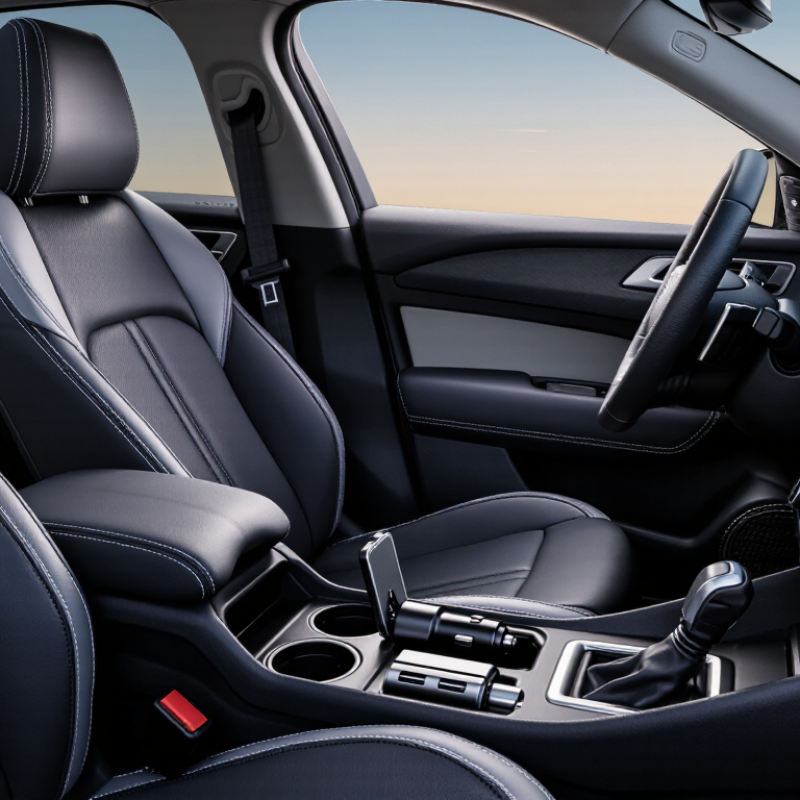
Choosing suitable accessories starts with the way you actually use your vehicle. A commuter may need durable floor mats and a phone mount, while a weekend camper might value cargo protection and a secure roof rack. Note your common trips, passengers, storage needs, and local weather before comparing products. Be specific: muddy boots and a leaking drink affect interior protection differently.
Check your owner’s manual for vehicle dimensions, load limits, compatible connection points, and electrical capacity. Measure the space yourself; model year and trim can change the fit. For a roof accessory, account for the rack’s own weight as well as the cargo. Measure twice. A product that fits the vehicle name but blocks a camera, sensor, air vent, or hatch can create avoidable problems. When fitment or installation is unclear, ask a qualified technician rather than guessing.
Think about maintenance, too. A washable liner may be more useful than a delicate finish if the vehicle regularly carries pets or sports gear. For powered accessories, confirm the connector and power requirements before purchase, and avoid overloading circuits. I have seen small assumptions—like forgetting a rear-seat child seat—change which accessories are practical. Recheck your list after a normal week of driving; needs on paper can miss the annoying details.
| Assessment Dimension | What to Check | Practical Example | Selection Tip |
|---|---|---|---|
| Vehicle specifications | Confirm the vehicle’s year, make, model, trim, body style, and relevant factory options. | Roof-rack fit can differ between body styles and between vehicles with raised rails, flush rails, or no rails. | Check the vehicle manual and the accessory fitment details before purchasing. |
| Primary purpose | Identify the problem the accessory should solve and who will use it. | Choose a cargo organizer for everyday storage or a load-rated carrier for occasional bulky gear. | Prioritize accessories that address a regular need rather than an occasional convenience. |
| Driving environment | Consider climate, road surfaces, parking conditions, and typical trip length. | Drivers on rough or unpaved roads may benefit from durable floor liners that are easy to remove and clean. | Look for materials and construction suited to the conditions the accessory will actually face. |
| Fit and clearance | Check dimensions, mounting points, moving parts, visibility, and access to controls. | A seat cover should not interfere with seat adjustment or airbags built into the seat. | Verify installation instructions and safety compatibility; do not obstruct mirrors, lights, or driver controls. |
| Electrical capacity | For powered accessories, check voltage, current draw, connector type, and the vehicle’s available power supply. | A device with a stated 5 A draw at 12 V uses about 60 W while operating. | Compare the accessory’s requirements with the vehicle manual and circuit rating. Use a correctly rated fuse and qualified installation where needed. |
| Safety and legal requirements | Check local rules and whether the accessory affects lighting, visibility, restraints, or vehicle handling. | Exterior lighting accessories may be subject to restrictions on color, brightness, placement, or road use. | Choose compliant equipment and follow the installation instructions; never modify safety systems without qualified guidance. |
| Load limits | Check the vehicle’s stated limits as well as the accessory’s own capacity. | A roof carrier’s usable load is constrained by both its rating and the vehicle’s roof-load limit. | Follow the lower applicable limit, account for the weight of the accessory itself, and secure cargo as instructed. |
| Material and weather resistance | Review construction, corrosion resistance, water resistance, and ease of cleaning. | Outdoor-use accessories need materials and finishes appropriate for repeated exposure to rain, sunlight, and road grime. | Read care instructions and inspect seams, fasteners, and exposed surfaces before use. |
| Installation and maintenance | Assess installation tools, time, service access, and ongoing maintenance needs. | A removable cargo mat is generally simpler to maintain than an accessory requiring permanent wiring. | Choose an installation method you can complete correctly, or budget for professional installation. |
| Quality and support | Look for clear specifications, installation guidance, warranty terms, and available replacement parts. | Published dimensions, load ratings, and care instructions make it easier to assess whether an item suits the vehicle. | Compare documented details and return terms rather than relying on appearance alone. |
List your usual trips, passengers, storage needs, and local weather. Muddy boots may call for washable floor protection; weekend camping may need secure cargo storage.
Read the owner’s manual and measure the space yourself. Model year and trim can change fit. Measure twice.
Include the rack’s weight when checking your vehicle’s load limit. Make sure the accessory does not block cameras, sensors, or the hatch.
Check seams, joints, clips, and edges for gaps or sharp spots. Open hinges and test fasteners when possible. A photo can hide a lot.
Choose materials suited to weather and wear. Flexible rubber may handle muddy shoes better than a delicate finish, while fabric edges should have secure stitching.
Check its connector and power requirements against your vehicle. Avoid overloading circuits, and ask a qualified technician if installation details are unclear.
Add shipping, installation, and required fittings to the listed price. Cheap can be costly. Compare warranty terms, exclusions, and return fees, too.
Look for clear fitment details, a working contact method, and recent reviews describing actual use. A high star rating alone is not enough.
Test it after installation and listen for rattling. I once trusted a solid feel and missed a loose divider. I should have checked more closely.
How To Choose High Quality Auto Accessories begins with understanding your vehicle’s needs and deciding which accessories will be useful for your driving habits. Before purchasing, confirm that each item fits your vehicle, works with its existing features, and can be installed safely. Consider whether installation is straightforward or requires professional help, and check that the instructions are clear.
Look closely at materials, construction, and expected durability, since these affect how well an accessory holds up to regular use and changing conditions. Review relevant safety certifications and make sure the product meets applicable requirements. Finally, compare prices alongside warranty coverage and the seller’s reputation. A low price alone does not guarantee good value; dependable support, clear product information, and lasting quality can make an accessory a better choice over time.
