RCM Auto
In 2023, car upgrades are more popular than ever. The latest industry report by Cars.com reveals that nearly 75% of vehicle owners are considering modifications. This shift can be attributed to the desire for enhanced performance and personalization. According to automotive expert Tom Johnson, “Car upgrades are not just trends; they reflect a driver’s personality and lifestyle.”
Among the most popular car upgrade trends this year are advanced infotainment systems, performance enhancements, and eco-friendly modifications. Many consumers are investing in technology that offers seamless connectivity, improving their driving experience. By contrast, some are still skeptical about the true value of certain upgrades, questioning their return on investment.
Furthermore, as electric vehicles grow in popularity, there is a notable interest in sustainable upgrades, such as solar panels and lightweight materials. However, potential buyers should carefully evaluate their needs to avoid overspending on unnecessary features. Understanding “What Are The Most Popular Car Upgrade Trends” will help consumers make informed choices. Acknowledging the emotional and financial aspects of these upgrades is crucial in today’s market.
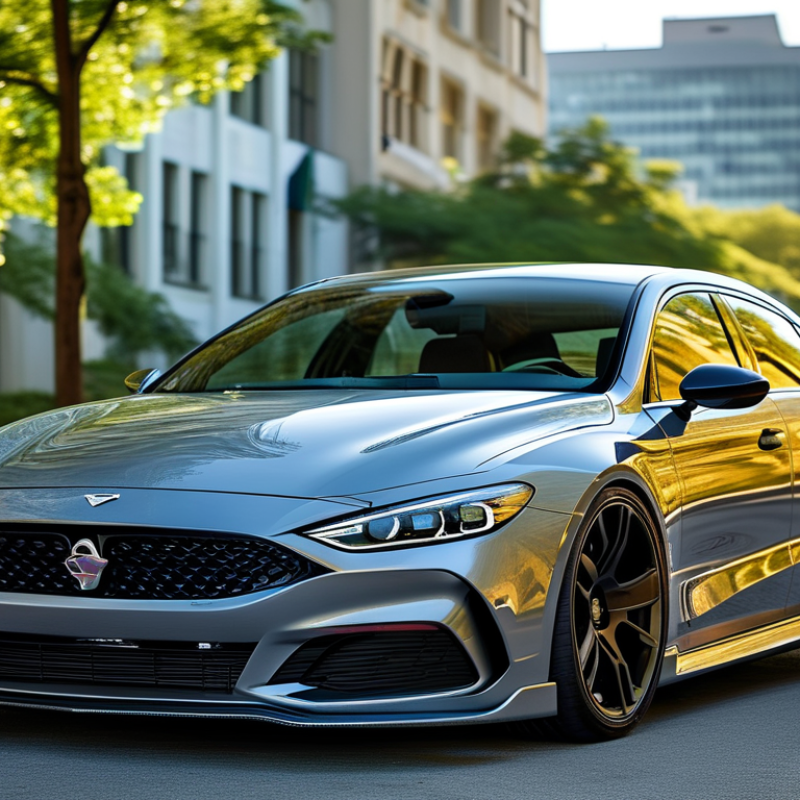
The rise of electric vehicle upgrades has transformed the automotive landscape. As more consumers prioritize sustainability, innovative upgrades have gained traction. Enhanced battery technology, for example, offers longer ranges and faster charging times. Many car manufacturers are now focusing on integrating smart technology into EVs, allowing for seamless connectivity with smartphones and smart home devices.
Tips: Evaluate your current vehicle's compatibility with EV updates. Consider the long-term financial benefits of these upgrades, such as lower maintenance costs.
Another exciting trend is the development of regenerative braking systems. These systems capture energy normally lost during braking and feed it back into the vehicle’s battery. While this technology enhances efficiency, some drivers may find it challenges their driving habits.
Tips: Test drive different models to experience the braking difference. This can help you adjust to new driving dynamics. Upgrading your car isn't just about aesthetics; it's also about aligning with environmental goals and improving your driving experience.
Enhanced infotainment systems are becoming essential in modern vehicles. Drivers expect more than just basic features. They want seamless connectivity, easy navigation, and entertainment options at their fingertips. This year, voice commands and intuitive touchscreens have gained popularity. These features allow for safer driving while keeping drivers informed and entertained.
Real-time traffic updates and in-car apps are now must-haves. Many people rely heavily on navigation tools to avoid delays. Compatibility with smartphones enhances the driving experience. Bluetooth and wireless connections are crucial for hands-free communication. These advancements make navigating busy roads feel less stressful.
However, not every car upgrade focuses purely on functionality. Some infotainment systems can overwhelm drivers with too many features. This complexity sometimes leads to frustration. Users may struggle to find what they need quickly. Achieving the right balance between technology and usability remains a challenge. The evolution of infotainment systems continues to shape how drivers interact with their vehicles.
Car enthusiasts are increasingly focused on performance tuning to enhance their vehicles. A recent report from the automotive industry suggests that more than 45% of car owners are investing in performance modifications. These upgrades aim to improve power and speed, reflecting a growing trend among drivers seeking a more thrilling experience.
One popular modification is engine tuning. This involves adjusting the engine's ECU (Engine Control Unit) settings. Studies indicate that this can increase horsepower by up to 25% in some models. Many car owners turn to aftermarket air intakes and exhaust systems as well. These changes can boost airflow, thus enhancing engine efficiency and overall performance.
Suspension upgrades have also gained traction. Adjusting shock absorbers and upgrading springs not only improve handling but also provide a smoother ride. According to industry data, nearly 30% of custom car builds now include significant suspension modifications. While these enhancements offer substantial benefits, they may also result in a stiffer ride. It’s essential for owners to weigh the pros and cons of performance tuning, as each modification carries its own set of trade-offs.
| Modification Type | Benefits | Common Upgrades | Estimated Cost |
|---|---|---|---|
| ECU Tuning | Increased horsepower and torque | Performance chips, custom maps | $300 - $1,000 |
| Cold Air Intakes | Enhanced engine efficiency | High-flow filters, intake manifolds | $200 - $500 |
| Exhaust Upgrades | Better sound and performance | Cat-back systems, headers | $500 - $2,000 |
| Suspension Upgrades | Improved handling and comfort | Coilovers, sway bars | $600 - $2,500 |
| Brake Upgrades | Enhanced stopping power | Rotors, calipers, pads | $300 - $1,500 |
When it comes to sustainable car upgrades, choices reflect growing environmental awareness. Eco-friendly modifications can significantly reduce the carbon footprint of vehicles. For example, switching to LED lights not only improves visibility but also consumes less energy. This simple upgrade helps save power and lasts longer than traditional bulbs.
Another popular upgrade is the use of biodegradable materials in car interiors. Products like seat covers made from natural fibers or recycled plastics contribute to sustainability. These elements can give cars a modern look while helping reduce waste. Choosing greener upholstery might increase maintenance efforts, but the visual and ecological benefits are rewarding.
Electric vehicle (EV) conversions are also gaining traction. Transforming a traditional car into an electric model can be a complex process. However, with the right guidance, it can lead to significant long-term savings and lower emissions. This trend challenges car enthusiasts to navigate the intricacies of technology and sustainability. Balancing performance and environmental impact is vital, but it can lead to innovative solutions for the future.
Customization is all about making your car uniquely yours. More drivers are choosing to personalize their vehicles. This year, style and functionality are crucial aspects of car upgrades. Many opt for custom wraps or paint jobs that reflect their personality. Bold colors and intricate designs are popular choices.
In addition to aesthetic upgrades, functionality matters too. Interior modifications are gaining traction. Upgrading to premium sound systems enhances the driving experience. Comfortable seating options are also a priority for many. Some drivers prefer ergonomic designs to support long journeys. Others focus on technology, installing advanced navigation systems and wireless charging stations.
However, customization can sometimes backfire. Over-the-top modifications may decrease resale value. It’s essential to balance personal style with practicality. Some drivers regret choosing specific styles that don’t suit their needs. Reflecting on these choices is vital for an enjoyable driving experience. Personalization should enhance, not complicate, your time on the road.
: Electric vehicle upgrades are growing. Consumers prioritize sustainability, leading to enhanced battery technology and smart features.
Evaluate your current vehicle's compatibility with EV updates. Consider financial benefits like lower maintenance costs.
Regenerative braking captures energy from braking. It improves efficiency, but may challenge some drivers' habits.
Engine tuning, air intakes, and exhaust systems enhance power and speed. Many owners are interested in these upgrades.
Engine tuning can increase horsepower by up to 25% in certain models. It significantly boosts performance.
Suspension upgrades improve handling and comfort but may result in a stiffer ride. Weigh the pros and cons.
Drivers are personalizing cars with wraps, paint jobs, and advanced tech. Style and functionality are priorities.
Upgrading sound systems and seating enhances comfort and driving experience. Ergonomics are important for long trips.
Over-the-top modifications may decrease resale value. Balance personal style with practicality to avoid regrets.
Reflecting helps ensure personal style enhances the driving experience. Aim for upgrades that simplify, not complicate your time on the road.
This year, automotive enthusiasts are leaning towards several exciting trends in vehicle upgrades. One of the most notable developments is the rise of electric vehicle upgrades, showcasing a shift towards sustainability in the automotive industry. Enhanced infotainment systems have also become indispensable, offering drivers features they find essential for connectivity and entertainment. Performance tuning remains a popular choice, with modifications aimed at boosting power and speed gaining traction among performance-minded car owners.
Moreover, there is a growing interest in sustainable upgrades that prioritize eco-friendly modifications, appealing to modern drivers who are conscious of their environmental impact. Customization trends highlight the desire for personalization, as car owners seek to express their individuality through stylish and functional enhancements. Overall, the question of "What Are The Most Popular Car Upgrade Trends" reveals a vibrant landscape of innovation, practicality, and personal expression within the automotive sector this year.
