RCM Auto
How To Enhance Vehicle Value With Quality Accessories begins with a practical question: what makes an upgrade genuinely useful? A vehicle may look newer with polished trim, all-weather mats, or upgraded lighting. Yet appearance alone rarely proves lasting value. Quality accessories should improve protection, comfort, safety, or daily function without compromising the vehicle’s original design.
Market data supports this approach. S&P Global Mobility reported that the average age of vehicles in the United States reached about 12.6 years in 2024. Older vehicles create sustained demand for durable replacement and enhancement products. The Specialty Equipment Market Association’s industry research also shows a large and active market for vehicle customization. That interest reflects more than styling. Owners want accessories that help preserve interiors, protect cargo areas, and make long-term ownership easier. Small details matter.
Fit matters most.
A loose roof rack can create noise, damage, or disappointment. A poorly matched seat cover may reduce comfort and weaken resale appeal. Research from J.D. Power repeatedly identifies technology and usability as important parts of the ownership experience, although accessory quality varies widely. This is where professional selection becomes essential. Materials, warranty coverage, installation standards, and compatibility should guide every decision. Independent testing and manufacturer specifications deserve more trust than dramatic advertising claims.
Not every expensive accessory adds value. That is an uncomfortable truth. A thoughtful upgrade should serve the vehicle and its owner. It should remain useful after the first impression fades. This guide examines practical choices, measurable benefits, and common mistakes, helping readers invest in accessories with confidence rather than impulse.
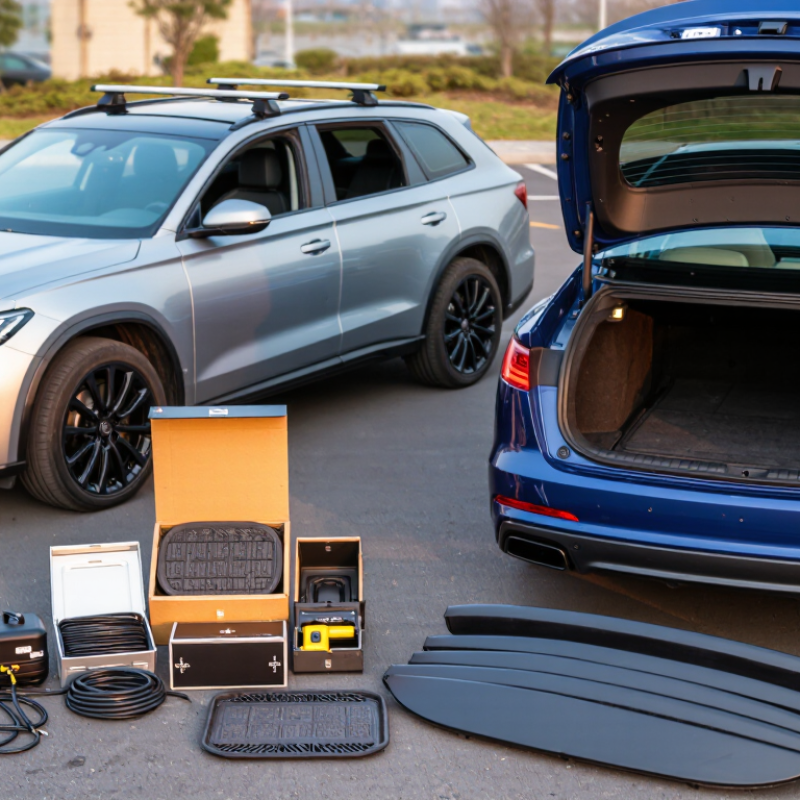
Vehicle value is more than its purchase price. It includes safety, usability, condition, maintenance history, and buyer confidence. S&P Global Mobility reported that the average U.S. vehicle age reached 12.6 years in 2024. Older vehicles need practical improvements, not decorative clutter. Quality accessories can support daily comfort and protect vulnerable surfaces. A fitted cargo liner, durable floor protection, or clear lighting upgrade may preserve condition over time. Fit matters.
Quality must be measurable. Buyers usually notice secure installation, clean wiring, precise fit, and materials that resist heat and wear. The Insurance Institute for Highway Safety continues to emphasize lighting and visibility as important safety factors, while the National Highway Traffic Safety Administration warns that poorly installed equipment can create hazards. Accessories should never obstruct airbags, sensors, mirrors, or driver visibility. Professional installation helps, but it does not replace careful inspection.
Resale value is less predictable. A 2024 Cox Automotive market report showed continued strong interest in used vehicles, yet accessory costs are rarely recovered dollar for dollar. That is the uncomfortable part. Personal upgrades may please the owner more than the next buyer. Choose reversible, documented improvements with receipts and installation records. Keep original components when possible. In my experience, a clean service file often persuades buyers more effectively than an expensive visual modification. Small choices matter.
Quality accessories can increase a vehicle’s usefulness, but compatibility deserves careful inspection. Check the vehicle’s model year, trim, electrical system, load limits, and existing sensors. A roof carrier may fit the rails yet block a panoramic camera or exceed the roof’s dynamic weight rating. Small mismatches create expensive problems.
Safety is more than a secure-looking installation. In 2022, NHTSA’s Traffic Safety Facts reported 42,514 roadway fatalities in the United States. That figure reinforces why accessories must not obstruct lamps, cameras, mirrors, airbags, or emergency controls. J.D. Power’s 2024 U.S. Initial Quality Study recorded 49.1 infotainment problems per 100 vehicles, showing how electronic systems remain a common trouble area. Added wiring should use correct fuses, sealed connectors, and documented load calculations. Loose cables are not harmless.
Installation requirements should be assessed before purchase. Read the vehicle’s technical instructions, measure clearance with the doors open, and test every sensor afterward. A professional installer should verify torque settings and inspect contact points for paint damage. I once underestimated a few millimeters of clearance; the accessory looked perfect until the hatch opened. That mistake was avoidable. Keep the fitting guide, receipts, and inspection photos. They support future servicing and resale confidence. If instructions conflict, stop and seek qualified advice. Close enough is not reliable enough.
The right vehicle accessories should solve daily problems, not merely attract attention. I start by observing how the vehicle is used. A durable cargo liner helps families manage muddy shoes, grocery spills, and wet sports equipment. It also preserves the original floor materials during regular use. Fit matters more than appearance. Loose edges can interfere with pedals or become difficult to clean.
Comfort improvements often feel modest but remain valuable during long drives. Supportive seat cushions can reduce pressure, while adjustable organizers keep cables, bottles, and documents within reach. Sun shades lower glare on bright afternoons. A well-positioned phone mount can improve visibility without blocking the driver’s view. Check that every accessory allows safe control of mirrors, controls, and emergency equipment. Small changes help.
Appearance should complement the vehicle rather than overwhelm it. Clean exterior trim, practical wheel protection, and subtle interior lighting can create a more cared-for impression. I prefer materials that resist fading, cracking, and staining after repeated exposure. However, expensive-looking products are not always durable. I once chose an attractive storage insert with weak fasteners, and it shifted on every turn. That mistake reinforced the value of checking load limits, installation instructions, and return policies. Accessories should also match the vehicle’s dimensions and existing safety systems. A professional installer can identify problems that are easy to miss in a driveway.
How To Enhance Vehicle Value With Quality Accessories
A quality accessory begins with its material, not its appearance. Powder-coated steel handles harsh weather better than thin painted metal. Marine-grade fabric resists fading, but it still needs cleaning after muddy trips. For interior upgrades, dense rubber mats usually outlast soft foam versions. Check edges, stitching, fasteners, and contact points before buying. Small weaknesses become expensive problems.
Brand reputation matters, but a familiar name cannot replace evidence. Look for clear specifications, independent testing, and consistent customer feedback. I once chose a cheaper storage system because its packaging looked convincing. Its hinges loosened after several months. That mistake changed how I evaluate accessories. I now inspect replacement parts, installation instructions, and service records before judging value.
A useful warranty should explain coverage, exclusions, and claim procedures in plain language. A long warranty means little if installation errors cancel protection. Keep receipts and installation photographs. They can support a future claim and preserve resale confidence. Durability also depends on fit. An accessory that rattles against a door panel may damage both surfaces over time. Test it on rough roads, inspect mounting points, and listen for new vibrations. Perfect choices are rare. Even careful buyers sometimes underestimate maintenance.cuntegn
| Accessory Category | Common Material Options | Material-Based Evaluation | Quality and Supplier Signals | Typical Warranty Range | Expected Service Life* | Long-Term Value Considerations |
|---|---|---|---|---|---|---|
| Roof racks and cargo carriers | Powder-coated steel, anodized aluminum, reinforced polymer | Aluminum is substantially lighter than steel and resists rust; steel can provide high stiffness but requires effective coating protection. | Published load rating, corrosion testing, secure locking hardware, replacement keys and mounting parts, clear installation instructions. | 2–5 years | 5–10 years with correct loading and storage | Low weight, quiet operation, secure fit, and retained hardware support can protect resale appeal and reduce replacement costs. |
| Floor mats and cargo liners | Thermoplastic elastomer, rubber, carpet, polyurethane | Water-resistant thermoplastic and rubber are practical for mud, snow, and spills; carpet offers a more integrated appearance but needs more care. | Accurate vehicle fit, anti-slip backing, raised containment edges, low-odor materials, easy cleaning, and documented material safety information. | 1–5 years | 3–8 years depending on climate and use | Good fit prevents trim damage and preserves the original flooring, which can improve interior condition at resale. |
| Seat covers and interior protection | Polyester, nylon, leather, synthetic leather, flame-retardant textiles | Solution-dyed synthetic fabrics generally resist abrasion and fading; leather-like materials require testing for cracking, heat, and chemical resistance. | Airbag-compatible stitching where required, accurate seat fit, colorfastness information, seam quality, washable construction, and replacement availability. | 1–3 years | 3–7 years with regular cleaning and UV protection | Protecting upholstery from stains, wear, and pet damage helps preserve the cabin’s visual and functional condition. |
| All-weather exterior trim and guards | ABS plastic, polypropylene, stainless steel, aluminum | ABS and polypropylene are lightweight and impact-tolerant; stainless steel offers strong corrosion resistance but adds weight and cost. | UV-stabilized material, smooth edges, secure fasteners, accurate panel alignment, corrosion-resistant hardware, and tested surface adhesion. | 2–5 years | 5–10 years when exposed surfaces are maintained | Effective protection can reduce paint chips and minor impact marks, but poor fit or fading may reduce perceived vehicle quality. |
| Paint protection film and protective coatings | Aliphatic thermoplastic polyurethane film, polymer or ceramic-based coatings | Thermoplastic polyurethane is flexible and impact-resistant; coatings can improve chemical and water resistance but do not provide the same physical thickness as film. | Documented film thickness, UV and stain resistance, professional installation guidance, repairability, and clear preparation requirements. | 2–10 years | 3–10 years depending on product, exposure, and maintenance | Preserving high-impact paint areas may support resale condition; visible lifting, yellowing, or uneven installation can have the opposite effect. |
| Lighting upgrades and auxiliary electrical accessories | Aluminum housings, polycarbonate lenses, copper wiring, sealed connectors | Aluminum helps dissipate heat; polycarbonate is impact-resistant but should have UV protection. Heat management and sealing are critical to electronic life. | Verified electrical ratings, appropriate fuses, waterproof connectors, thermal protection, beam-pattern compliance, installation documentation, and serviceable wiring. | 1–5 years | 3–8 years depending on heat, moisture, vibration, and duty cycle | Reliable, legally compliant equipment adds utility; wiring faults, glare, or dashboard errors can reduce reliability and resale confidence. |
| Dash cameras and vehicle electronics | Polycarbonate housings, glass or coated plastic lenses, lithium-ion batteries or capacitors | Heat-resistant components and capacitor-based designs can be better suited to hot parked vehicles; storage media endurance is also important. | Clear operating-temperature range, firmware support, privacy controls, stable power management, replacement cables, and documented data-storage requirements. | 1–3 years | 3–6 years, with storage cards often replaced sooner | Reliable records and discreet installation add practical value, while outdated software, visible wiring, or battery swelling can create ownership concerns. |
| Trailer hitches and towing accessories | High-strength steel with protective coating, forged steel hardware | Steel provides the required structural strength; coating quality and drainage design determine resistance to corrosion in wet or salted environments. | Documented towing and tongue-weight ratings, vehicle-specific fit, safety-chain attachment points, corrosion protection, torque specifications, and inspection guidance. | 2–5 years | 8–15 years with correct installation and corrosion control | Practical towing capability can increase utility, but incorrect installation, overloading, or visible corrosion may reduce safety and resale value. |
| Wheels and tire-related accessories | Cast or forged aluminum alloy, steel, rubber compounds | Forged aluminum is generally lighter and strong for its weight; steel is durable and economical but heavier. Tire performance depends on compound, age, and use. | Correct load and speed ratings, dimensional compatibility, corrosion-resistant finish, traceable production information, balanced fitment, and pressure-monitoring compatibility. | 1–5 years | Wheels: 8–15 years; tires: commonly 5–10 years maximum depending on condition and manufacturer guidance | Correct fitment and even wear protect handling and suspension components. Tire age, damage, and tread condition matter more than appearance alone. |
How To Enhance Vehicle Value With Quality Accessories
Maintaining and Documenting Upgrades to Preserve Resale Value
Quality accessories can improve daily usability, but resale value depends on condition and proof. iSeeCars’ 2024 depreciation analysis reported average five-year depreciation of 38.8 percent. That figure makes maintenance records financially meaningful. A clean service history can reduce buyer uncertainty.
Keep every invoice in a digital folder. Include installation dates, mileage, part descriptions, and technician details. Photograph wiring, mounting points, and the finished installation. Keep original components labeled in a dry storage box. This matters when a buyer prefers factory configuration. A missing receipt can weaken confidence.
Choose reversible upgrades with practical value. Roof storage, protective floor coverings, and approved lighting may appeal to more buyers than highly personalized changes. Check load ratings and installation instructions carefully. S&P Global Mobility reported that the average U.S. vehicle age reached 12.6 years in 2024. Older vehicles need evidence of careful ownership. I have seen owners document the accessory but forget routine servicing. That is a costly oversight.
Create a simple maintenance log after each inspection. Record tire rotations, battery tests, fluid changes, and accessory checks. Do not claim an upgrade increased value without comparable local listings. Resale markets vary by climate, vehicle type, and buyer expectations. A professional inspection before listing can identify loose fasteners, faded surfaces, or electrical faults. Small defects can overshadow expensive improvements.
Confirm the model year, trim, electrical system, and load limits. Measure clearances with the doors and hatch fully open. Check existing cameras, sensors, rails, and emergency controls. A small mismatch can create an expensive repair.
Not always. Verify the roof’s dynamic weight rating and the carrier’s loaded weight. Check that it does not block cameras, lamps, or the hatch. Close enough is not reliable enough.
Accessories must not obstruct mirrors, airbags, lamps, cameras, or emergency controls. Use correct fuses and sealed electrical connectors. Secure every cable away from moving parts. Loose wiring can cause real trouble.
Professional installation is wise for electrical systems, roof equipment, and complex mounting points. The installer should verify torque settings and inspect paint contact areas. Keep inspection photos. They may reveal problems later.
A fitted cargo liner protects flooring from mud, spills, and wet equipment. Adjustable organizers keep bottles, cables, and documents within reach. Choose secure edges that cannot interfere with pedals. Fit matters more than decoration.
Supportive seat cushions may reduce pressure during long journeys. Sun shades can lower glare on bright afternoons. A phone mount should remain visible without blocking the driver’s view. Small changes help.
Appearance should support function, not replace it. Select materials that resist fading, cracking, and stains. Attractive storage can still have weak fasteners. I once chose one that shifted during every turn.
Store invoices in a digital folder with dates, mileage, descriptions, and installer details. Photograph wiring, mounting points, and the finished installation. Label original components in a dry storage box. Missing proof can weaken buyer confidence.
Reversible upgrades with practical value are easier to understand. Protective floor coverings, roof storage, and approved lighting may appeal to more buyers. Avoid claiming extra value without comparing similar local vehicles. Markets differ.
Record accessory inspections alongside tire rotations, battery tests, fluid changes, and repairs. Check fasteners, wiring, surfaces, and load labels periodically. A professional inspection before selling can find hidden faults. I sometimes documented upgrades but forgot routine service. That was a costly oversight.
How To Enhance Vehicle Value With Quality Accessories begins with understanding that value includes more than a vehicle’s purchase price. Well-chosen accessories can improve practicality, comfort, appearance, and daily usability while supporting stronger resale appeal. Before purchasing, owners should confirm compatibility with the vehicle’s model and systems, review safety requirements, and determine whether professional installation is necessary. Accessories should complement the vehicle rather than interfere with visibility, handling, lighting, or essential functions.
Long-term value also depends on selecting durable materials, reliable manufacturers, clear warranties, and products designed for regular use. A low-cost item may create future expenses if it wears out quickly or causes damage. Proper maintenance, including cleaning, inspection, and timely repairs, helps preserve both the vehicle and its upgrades. Keeping receipts, installation records, warranty details, and maintenance notes provides useful evidence of responsible ownership. By combining thoughtful selection, safe installation, quality construction, and organized documentation, vehicle owners can enhance everyday driving while protecting the vehicle’s condition and potential resale value.
