RCM Auto
In today's fast-paced world, vehicle safety is a critical concern for every driver. The rise of smart accessories is changing the game in automotive safety. These innovative gadgets offer a way to mitigate risks on the road. Understanding how to improve vehicle safety with smart accessories can significantly impact our daily driving experience.
When equipped with cutting-edge technology, drivers benefit from enhanced awareness and control. Features like collision alerts and blind-spot monitoring are becoming standard, but many still overlook their importance. Investing in smart accessories can be a game-changer for personal safety and confidence. However, not all options on the market are reliable or effective, raising questions about quality and trust.
Some might wonder if these devices truly make a difference. A detailed study shows that users report fewer accidents after incorporating smart technology. Nonetheless, it’s essential for users to stay informed about which products genuinely improve safety. The journey to a safer driving experience starts with informed choices and a willingness to adapt.
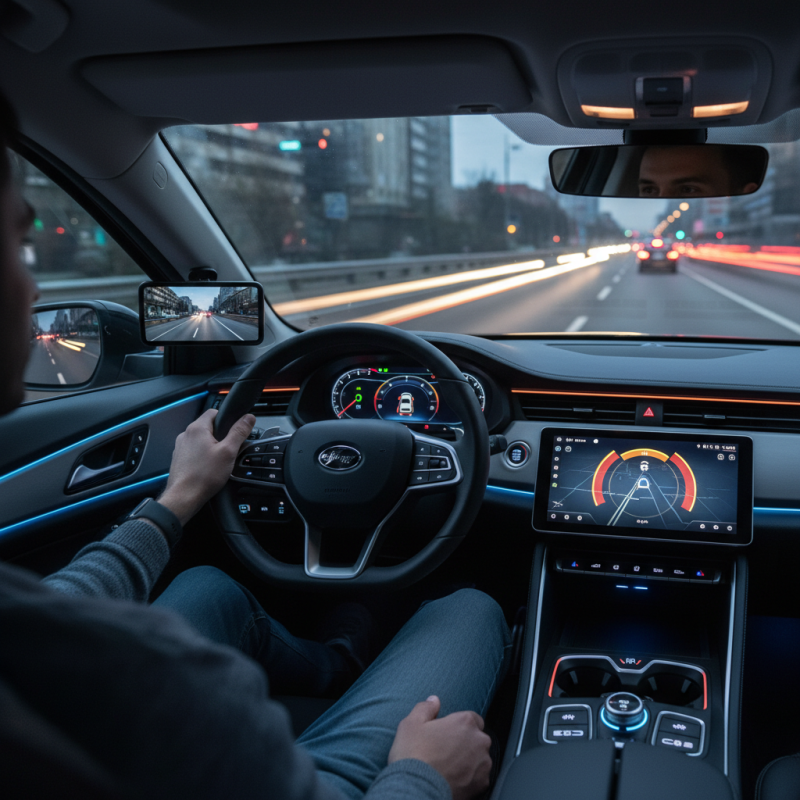
In today's world, vehicle safety is a crucial aspect of modern driving. Each year, thousands lose their lives in road accidents, emphasizing the need for safer vehicles. Drivers now expect more than just basic safety measures from their cars. They want smart accessories that can enhance safety and prevent accidents.
One effective way to improve vehicle safety is through technology. Consider installing a collision avoidance system. These systems can alert drivers to potential hazards. Also, rearview cameras offer a better view of what’s behind, reducing blind spots.
Tips: Always keep an emergency kit in your vehicle. A well-stocked kit can be lifesaving in unexpected situations. Regular maintenance checks are essential. They can prevent mechanical failures that lead to accidents. Educating yourself about vehicle safety features adds value. Understanding how these features work can make you a more responsible driver.
It is important to reflect on our driving habits too. Many drivers still use their phones while driving. This distraction can lead to serious consequences. Acknowledging this issue is the first step towards better safety. Making small changes in daily driving can contribute to a safer road environment.
Smart accessories are revolutionizing vehicle safety. Many drivers overlook how technology can enhance protection. From collision alerts to backup cameras, drivers can significantly mitigate risks. These tools not only aid during emergencies but also promote preventive measures.
One notable feature is the tire pressure monitoring system. It can alert drivers to under-inflated tires. Maintaining proper tire pressure is crucial for vehicle stability. Another essential accessory is the blind spot detection system. This technology helps drivers see areas not visible in traditional mirrors. It reduces the chances of accidents during lane changes.
Installation of smart dash cams has also gained popularity. These gadgets provide evidence in case of accidents. They can also capture unexpected incidents, offering peace of mind. However, some may struggle with their usage or installation. Understanding the technology is important for maximizing benefits. Embracing these accessories requires a commitment to learning and adapting.
Integrating Advanced Driver Assistance Systems (ADAS) can significantly enhance vehicle safety. These systems provide crucial support to drivers, helping to prevent accidents and improve overall driving performance. Technologies such as lane-keeping assistance and adaptive cruise control can reduce the risk of collisions. However, relying too heavily on these features can lead to overconfidence.
Tips: Always stay engaged while driving. ADAS is not a substitute for attentive driving. Conduct regular maintenance checks on these systems for optimal functionality.
While ADAS technologies can detect potential hazards, they are not infallible. Environmental factors such as heavy rain or fog can affect sensor performance. Drivers should remain aware of their surroundings and not depend solely on these automated systems.
Tips: Educate yourself about your vehicle's ADAS capabilities. Understanding how these systems work will help you use them effectively. Regularly update the software to ensure the best performance.
Smart sensors and monitoring systems are becoming essential in enhancing vehicle safety. According to a recent report by the National Highway Traffic Safety Administration, nearly 94% of accidents are due to human error. By integrating smart technology, we can significantly reduce this risk. These systems can detect potential hazards and alert drivers in real time, allowing for quicker reactions.
Adaptive cruise control and lane-keeping assist are prime examples of smart accessories that enhance driving safety. They work by using sensors to monitor traffic and lane markings. When speed variations or lane deviations occur, immediate feedback is provided to the driver. This not only reduces the chance of collision but also helps prevent fatigue during long drives.
However, while these smart features offer substantial benefits, they are not infallible. There are instances where sensor malfunction or environmental factors diminish their effectiveness. For example, heavy rain or fog can impair sensor performance, leading to missed alerts. Thus, reliance exclusively on technology without driver engagement remains a concern. Balancing advanced systems with the driver’s attentiveness is crucial for optimal safety on the roads.
| Feature | Description | Benefit | Sensor Type | Price Range ($) |
|---|---|---|---|---|
| Collision Detection | Sensors that detect imminent collisions and alert the driver. | Prevents accidents and enhances driver awareness. | Ultrasonic, Radar | 150 - 500 |
| Lane Departure Warning | Monitors vehicle position in the lane and warns if drifting. | Reduces risks of highway collisions. | Camera, Lidar | 200 - 700 |
| Blind Spot Detection | Alerts drivers to vehicles in their blind spots. | Increases safety during lane changes. | Radar, Infrared | 200 - 600 |
| Tire Pressure Monitoring | Monitors tire pressure in real-time. | Prevents blowouts and improves fuel efficiency. | Pressure Sensors | 50 - 300 |
| Vehicle Tracking System | GPS-based system for tracking vehicle location. | Assist in recovery of stolen vehicles and monitoring fleet. | GPS | 100 - 400 |
In the rapidly evolving automotive industry, smart vehicle safety accessories are becoming essential. These technologies are designed not only to protect passengers but to prevent accidents altogether. A report from the National Highway Traffic Safety Administration indicates that advanced driver-assistance systems (ADAS) can reduce collisions by up to 40%.
Emerging trends showcase an array of innovations aimed at enhancing safety. For instance, collision warning systems are integrating AI to predict potential accidents. These systems analyze driver behavior in real-time, providing alerts when detecting risky actions. Additionally, smart tire technologies offer pressure monitoring and temperature readings, contributing to safer driving conditions. However, reliance on such systems raises concerns about driver complacency.
Consumer awareness is growing. According to a recent survey, over 70% of drivers express interest in smart accessories that enhance safety. Yet, uncertainty exists regarding their reliability. Some users report confusion with alerts and feedback, indicating a need for improved user interfaces. The challenge lies in balancing advanced safety features with driver engagement, ensuring technology complements human judgment rather than replacing it.
: Smart accessories enhance vehicle safety through technology, including collision alerts and backup cameras. These tools help reduce risks.
It alerts drivers to under-inflated tires, which are crucial for maintaining vehicle stability and safety on the road.
This system highlights areas not visible in mirrors, helping prevent accidents during lane changes. It's a vital safety feature.
Yes, dash cams provide evidence in accidents and record unexpected incidents, offering drivers peace of mind while on the road.
Users often struggle with installation or understanding the technology, which can hinder their effectiveness. Commitment to learning is essential.
AI can analyze driver behavior in real-time, predicting potential accidents and providing alerts for risky actions. It's a evolving technology.
Surveys show over 70% of drivers are interested, but some feel unsure about reliability and usefulness, indicating a need for better interfaces.
Yes, while helpful, reliance on these systems can lead to complacency. Drivers must remain engaged and attentive at all times.
Growing awareness drives demand, but confusion over usage suggests a need for education and improved user interface designs in these technologies.
In today's fast-paced driving environment, understanding how to improve vehicle safety with smart accessories is paramount. Smart accessories, including Advanced Driver Assistance Systems (ADAS), significantly enhance safety by providing features such as lane departure warnings, adaptive cruise control, and automated parking. These technologies work in tandem to reduce the risk of accidents and ensure a safer driving experience.
Additionally, integrating smart sensors and monitoring systems into vehicles can provide real-time data on various safety parameters, alerting drivers to potential hazards before they become critical issues. As technology continues to evolve, the future of vehicle safety will undoubtedly see more innovative smart accessories designed to further protect drivers and passengers alike. Embracing these advancements is essential for anyone looking to enhance their vehicle's safety features.
