RCM Auto RCM Auto

10 Best Car Interior Maintenance Tips

Time:2026-11-11 Author:Sienna
0%

A clean cabin is not only more pleasant; it helps protect the materials you touch every day. Dust gathers along dashboard seams, grit settles into carpet, and sunlight can fade exposed trim. Small habits make a difference. So does patience.

This guide to Best Practices For Car Interior Maintenance begins with a simple principle: match the cleaner to the surface. Detailing educator Mike Phillips is associated with practical, material-conscious care; the following line is a paraphrase of that approach, not a verified verbatim quotation: “Choose a suitable product, and test it on a hidden area first.” That caution matters. A strong cleaner may lift a stain, but it can also dull soft-touch plastic or leave pale marks on leather. Check product directions, use a clean microfiber cloth, and work gently around buttons, screens, and stitched edges.

Keep it manageable. A quick weekly vacuum can remove crumbs before they grind into carpet fibers. Wipe spills promptly. Use only a little cleaner. Too much moisture can linger in seat seams, and interiors do not always dry quickly. I’ve found that rushed cleaning often misses the cupholder rim and the narrow gap beside the seat. Easy to overlook. The ten tips ahead focus on practical routines, sensible products, and small details that help a car’s interior stay cleaner without unnecessary wear.
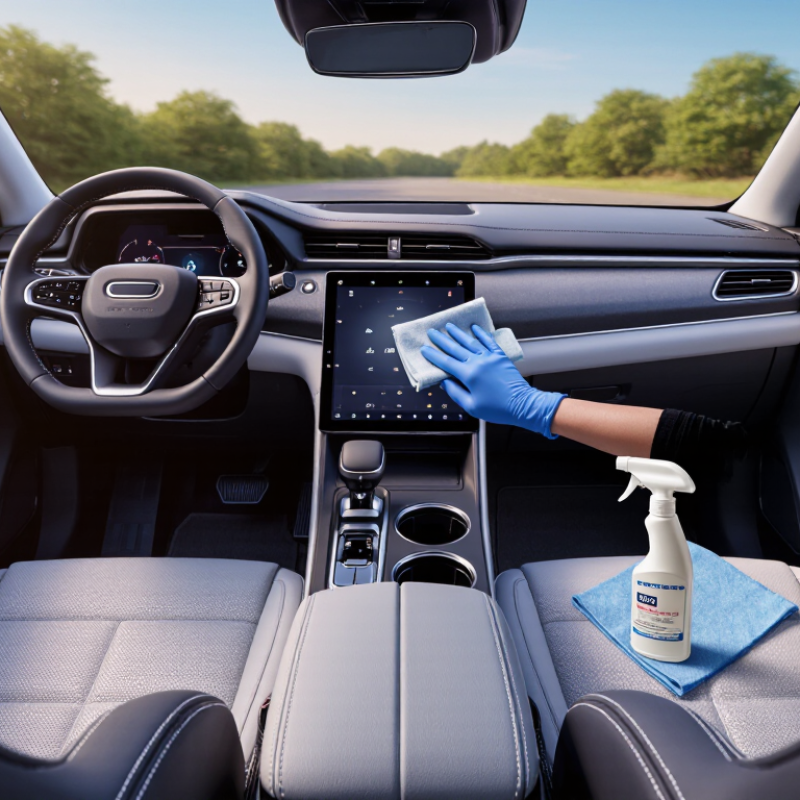
10 Best Car Interior Maintenance Tips

Inspect the Interior and Choose Material-Safe Cleaning Supplies

Before choosing a cleaner, inspect the cabin in daylight. Look closely at seat seams, dashboard grain, steering-wheel coating, and the glossy trim around the console. A faded patch or peeling finish may react differently from an intact surface. Use a dry microfiber cloth to lift loose grit first; rubbing dust across plastic can leave fine scratches. Take your time.

S&P Global Mobility’s 2023 vehicle-age analysis reported an average U.S. light-vehicle age of 12.5 years. That figure is a useful reminder that cabins can contain worn, repaired, or replacement materials—not just factory-fresh surfaces. Check the owner’s manual for care instructions, then test any cleaner on a hidden spot, such as beneath a seat. Wait until it dries and inspect for fading, tackiness, or color transfer. Avoid assuming that one product suits leather, coated vinyl, fabric, and touchscreens alike. Use a lightly damp cloth on screens, and keep liquid away from seams and switches. I still find small creases easy to overlook, especially beside seat rails. A second inspection helps.

Remove Debris and Clean the Dashboard, Console, and Vents

Loose grit can scratch plastic surfaces when dragged by a cloth. Remove floor mats and personal items, then vacuum the seats, console gaps, and dashboard edges with a soft brush attachment. Work gently around buttons and electronic controls. A narrow vacuum nozzle helps lift crumbs from cup holders and seams. Don’t rush this part. It prevents dust from turning into a smear later.

Tips: Use a clean microfiber cloth, lightly dampened with water or a cleaner approved for your interior materials. Spray the cloth, not the dashboard. Wipe in small sections, then dry with another cloth. Check the care instructions before using any cleaning product.

For air vents, loosen dust with a soft, dry detailing brush, moving from the center outward. Hold a vacuum nozzle nearby to catch loosened particles. Avoid pushing debris deeper or spraying liquid into the openings. Use a slightly damp cloth on the console, but keep moisture away from screens, switches, and charging ports. It’s easy to over-wet a cloth when a spot looks stubborn; pause and check the surface instead of scrubbing harder. A faint mark may need a material-safe cleaner, not more pressure.

Clean and Condition Fabric, Leather, and Other Upholstery

Vacuum fabric seats slowly, including seams where crumbs and grit collect. The IICRC’s Standard for Professional Upholstery Cleaning, S300, emphasizes identifying the material before selecting a cleaning method. Check the vehicle manual, then test any cleaner on a hidden patch. Blot spills with a clean, damp cloth; rubbing can push stains deeper or roughen the weave. Use little moisture. Soaked foam dries slowly and may develop an odor. Leather needs a different touch: wipe away dust, use a suitable leather cleaner sparingly, and apply conditioner only as directed. Too much product can leave a slick, shiny surface. Small steps matter.

Ventilate the car while cleaning. The U.S. EPA’s The Inside Story: A Guide to Indoor Air Quality reports that indoor pollutant levels are often two to five times outdoor levels; this is general indoor-air data, not a vehicle-specific measurement. Still, it supports avoiding heavy sprays in a closed cabin. Let seats dry fully before driving, and vacuum weekly if the car carries pets, children, or loose sand. One honest caveat: an old stain may not disappear completely, and repeated scrubbing can make the fabric look worse. A careful, imperfect clean is often better than an aggressive one.

10 Best Car Interior Maintenance Tips - Clean and Condition Fabric, Leather, and Other Upholstery

# Maintenance tip Suitable materials Suggested timing How to do it Important caution
1 Vacuum seats and crevices Fabric, leather, vinyl, and carpet Weekly or as needed Use a soft brush attachment and low suction where appropriate. Clean seams, seat folds, and the gaps around trim. Avoid dragging a hard nozzle across leather or delicate upholstery.
2 Blot spills promptly Most upholstery types As soon as a spill occurs Press a clean, absorbent cloth onto the spill, working from the outside toward the center. Repeat with a dry area of the cloth. Do not rub; rubbing can spread the stain or push it deeper into the material.
3 Check upholstery care instructions Fabric upholstery Before using a cleaner Look for the upholstery care label or vehicle guidance. Common codes include W (water-based cleaner), S (solvent-based cleaner), WS (either type), and X (vacuum or brush only). Care codes can vary by material; follow the specific instructions for the vehicle.
4 Test cleaners on a hidden spot Fabric, leather, vinyl, and trim Before each new product or method Apply a small amount to an inconspicuous area, follow the product directions, and let it dry. Check for color change, fading, or texture damage. Do not proceed if the test area changes appearance.
5 Clean fabric gently Cloth seats and fabric panels When visibly soiled Use a cleaner compatible with the care code and a soft cloth or upholstery brush. Work in small sections, then blot away residue. Avoid soaking the fabric; excess moisture can contribute to lingering odors or slow drying.
6 Use leather-specific cleaning methods Genuine or coated automotive leather Every few months or when dirty Remove loose dust first, then apply a cleaner formulated for the vehicle’s leather finish to a soft cloth and wipe gently. Do not use household cleaners, abrasive pads, or products not intended for automotive leather.
7 Condition leather only when appropriate Leather, if permitted by its care instructions Periodically, according to the vehicle guidance After cleaning, apply a small amount of a suitable conditioner evenly and remove any excess as directed. Some modern coated leather may not need conditioning; excess product can leave a slippery or greasy surface.
8 Protect upholstery from prolonged sunlight Fabric and leather Whenever parked for extended periods Park in shade when practical or use a suitable windshield sunshade to reduce direct sun exposure. Sun exposure can contribute to fading and heat-related wear over time.
9 Dry cleaned areas thoroughly Fabric and carpet After spot or deep cleaning Blot excess moisture and allow airflow by opening doors or windows in a safe, dry location until the upholstery is fully dry. Avoid closing up a damp interior, which can encourage musty odors.
10 Keep food, ink, and sharp objects in check All seats and interior upholstery As part of everyday use Use a secure container for food and drinks, keep pens capped, and remove keys or other sharp items from seat pockets. Avoid aggressive stain removal; persistent stains may need a professional who can assess the material.

Wash Floor Mats and Protect Interior Surfaces from Sunlight

Remove floor mats before cleaning so grit does not fall back onto the carpet. Shake them outdoors, vacuum both sides, then scrub rubber mats with mild soap and a soft brush. Pay attention to the grooves, where sand and sticky residue collect. Rinse thoroughly. Let them dry completely. Reinstalling damp mats can trap moisture and cause a stale smell. For carpet mats, blot spills first and avoid soaking the backing.

Sunlight brings more than glare. In hot-car tests reported by San Francisco State University and the National Weather Service, an 80°F day produced an average cabin temperature of 123°F after one hour; the dashboard reached 157°F. Heat can stress interior materials, while sunlight contributes to fading. Use a reflective windshield shade when parked, and choose shaded parking when practical. Shade matters. Apply an interior protectant only if its label says it suits your surface; test a hidden spot first, since finishes vary.

I sometimes miss the narrow strip beneath a mat, where damp grit can linger. Check there during routine cleaning, and wipe the dashboard and door panels with a clean microfiber cloth rather than a rough towel. Do not leave wet mats in the trunk to “dry later”; that habit is easy to regret. Keep protectant off glass, pedals, and steering-wheel grips, where residue may impair visibility or traction.

10 Best Car Interior Maintenance Tips

Suggested intervals for routine interior care (days between tasks).

Vacuum and shake out floor mats weekly; wash them about monthly, or sooner when heavily soiled. Wipe interior surfaces regularly and use a UV-protective product as directed to help limit sun exposure.

Prevent Odors and Set a Regular Maintenance Schedule

Odors often start in overlooked places: a damp floor mat, crumbs under a child seat, or a drink spill trapped in seat stitching. Remove rubbish weekly, vacuum seams and carpet edges, and dry wet mats fully before reinstalling them. If a smell returns, check for the moisture source instead of masking it with fragrance. A clean scent is not proof of clean air.

The U.S. Environmental Protection Agency’s indoor-air guide reports that some indoor pollutant levels are commonly two to five times outdoor levels, and can sometimes exceed them by more than 100 times. These figures are not specific to cars, but they show why reducing odor sources and airing out a cabin matter. Open doors briefly in a safe, well-ventilated place, and replace a cabin air filter according to the vehicle manual. No spray fixes a clogged filter.

Make a simple schedule: clear trash weekly, wipe touchpoints monthly, and inspect mats and upholstery after spills. Add filter checks and deeper cleaning to the service calendar, following the owner’s manual. The National Highway Traffic Safety Administration advises drivers to follow the maintenance schedule in that manual. A phone reminder helps, though I still find that busy weeks can push cleaning aside. Keep notes on recurring smells, damp patches, and filter changes; patterns can reveal a leak or a missed maintenance task.

FAQS

How should I check interior surfaces before cleaning?

Inspect seats, dashboard grain, steering-wheel coating, and glossy trim in daylight. Look for fading or peeling. Test cleaners in a hidden spot and check after drying.

Can one cleaner be used on every cabin surface?

Not safely. Leather, coated vinyl, fabric, and screens may need different care. Check the owner’s manual and product directions.

What should I do before wiping the dashboard?

Remove loose grit with a dry microfiber cloth or soft vacuum brush. Rubbing dust can leave fine scratches. Small creases hide.

How do I clean dashboard and console surfaces?

Lightly dampen a clean microfiber cloth with water or a suitable cleaner. Spray the cloth, not the surface. Wipe small sections, then dry them.

What is a safe way to clean air vents?

Loosen dust with a soft, dry brush while holding a vacuum nozzle nearby. Avoid pushing debris inward or spraying liquid into vents.

How should I clean floor mats?

Remove and shake them outdoors, then vacuum both sides. Scrub rubber mats with mild soap and a soft brush, rinse, and dry completely.

Why should mats be fully dry before reinstalling?

Damp mats can trap moisture and cause stale odors. Blot carpet-mat spills instead of soaking the backing. I sometimes miss grit beneath them.

How can I reduce sun and heat damage inside the car?

Use a reflective windshield shade and park in shade when practical. An 80°F day can bring cabin temperatures to 123°F after one hour.

Where should interior protectant be kept away from?

Keep it off glass, pedals, and steering-wheel grips. Residue can affect visibility or traction. Test it on a hidden surface first.

Conclusion

Best Practices For Car Interior Maintenance begin with a careful inspection of the cabin. Identify the materials in your seats, dashboard, and trim, then choose gentle cleaning supplies that are suitable for each surface. Remove loose dirt and crumbs before wiping the dashboard and center console, and use a soft brush or suitable vacuum attachment to clear dust from vents and narrow gaps. Work patiently to avoid scratching delicate finishes or pushing debris deeper into hard-to-reach areas.

Clean fabric upholstery with an appropriate cleaner, and condition leather only with products made for that material. Wash removable floor mats and let them dry fully before putting them back. To limit fading and cracking, park in shade when possible or use a sunshade, and avoid leaving spills or damp items inside. A simple routine of quick weekly tidying and periodic deeper cleaning can help prevent odors, protect interior surfaces, and keep the cabin comfortable over time.

Sienna

Sienna

Sienna is a skilled marketing professional with a deep expertise in our company’s core products and services. With a passion for innovation and detail, she plays a pivotal role in crafting insightful blog posts that not only highlight the unique features of our offerings but also provide valuable......